Why interest rates on savings accounts could start rising once more
Savings rates could be on the upswing once more. Discover what the Federal Reserve's latest moves mean for your finances and how to find the best high-yield savings accounts available.
Heads up, savers: savings rates might be on the rise soon
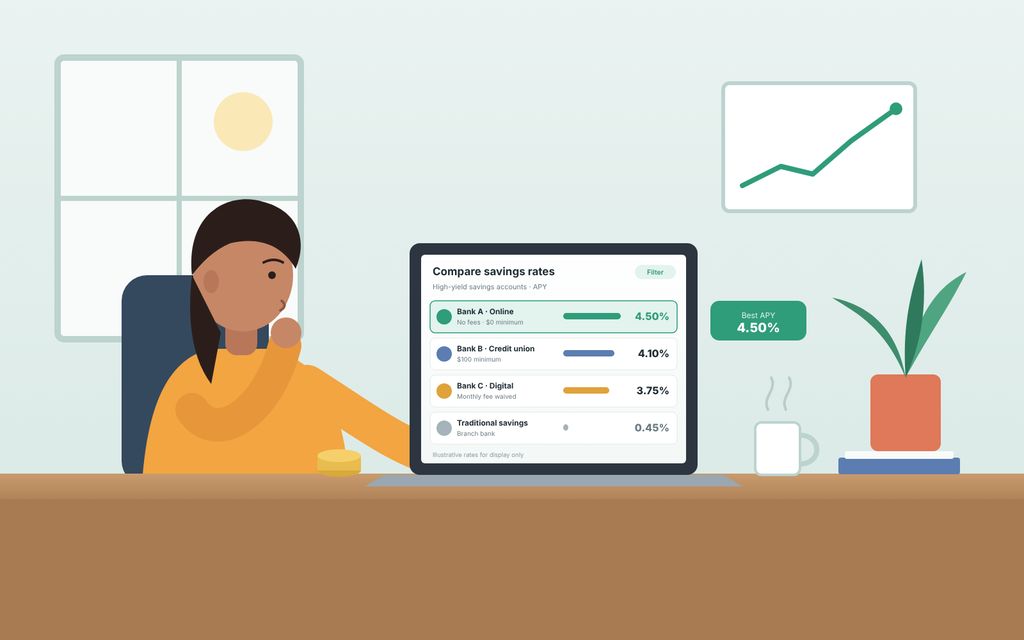
Is your savings account delivering a solid return? If you’ve left your money parked without reviewing your APY, you might be missing out on better earnings.
Savings rates could increase again in 2026, offering fresh chances for Americans to get more from their money.
However, keep in mind that higher interest rates don’t always mean every bank will raise what they pay you.
Here’s what to consider before making your next money move.
Factors Behind Potential Increases in Savings Rates
Savings rates are influenced by a variety of elements, such as:
- Federal Reserve policies;
- Inflation levels;
- Bank competition;
- Demand for deposits.
In September 2026, the Fed pushed its target interest rate up to 3.75%–4.00%.
This is important because shifts in market interest rates can affect the rates banks offer on savings accounts.
That said, banks determine their own rates for deposits.
A rise in the Fed’s rates doesn’t guarantee your savings APY will increase.
What the Federal Reserve’s Upcoming Decision Might Mean
The Federal Reserve’s meeting on October 27–28, 2026, is a key date for those watching savings rates.
A Reuters survey released on October 20 showed most economists expect the Fed to pause rate hikes in October, with another possible increase scheduled for December.
These projections are estimates, not final decisions.
If interest rates go up again, some banks might boost their savings yields, while others could keep their APYs the same.
The main point: Keep an eye on your account rather than expecting your bank to raise your rate automatically.
The Impact of Inflation on Your Savings
Higher interest earnings don’t tell the full picture.
It’s important to factor in inflation as well.
According to an October report from the Associated Press, U.S. consumer inflation hit 3.7% year-over-year in September 2026.
As prices increase, the value of your money declines.
For instance, an account with a 0.50% APY wouldn’t keep up with 3.7% inflation before taxes.
Your balance might increase, but your purchasing power could still be lower than a year ago.
Factors That Could Push Savings Rates Upward
There are three main factors worth watching closely.
1. Ongoing Inflation Pressure
If inflation stays above the Federal Reserve’s 2% target, officials might keep interest rates high or even raise them further.
This scenario could prompt some banks to increase their savings rates to attract more deposits.
On the other hand, savings rates might drop if inflation cools down more quickly than anticipated.
2. Rivalry Among Banks
Banks vie to attract deposits from customers.
Offering high-yield savings accounts with appealing APYs is one strategy to draw in new clients.
This means you might find better earnings opportunities even if your current bank keeps its rates unchanged.
Compare the following before making a switch:
- APY;
- Monthly fees;
- Minimum balance requirements;
- Withdrawal and transfer rules;
- Eligibility criteria.
Be sure to verify the current rate directly on the bank’s official site.
3. Shifts in Bank Funding Requirements
Banks don’t always immediately reflect Federal Reserve rate changes in their savings rates.
Some banks increase savings rates promptly, while others opt for smaller changes or leave rates as they are.
Variable APYs can also be reduced by banks when market conditions shift.
Don’t rely on your bank to alert you about better rates. Regularly review and compare your options.
How to Respond If Savings Rates Increase Again
You don’t have to guess the Fed’s next move to make smart improvements to your savings plan.
Begin by following these five key steps.
1. Verify Your Current APY
Check your account details via your bank’s online portal or mobile app.
Pay attention to:
- Your current APY;
- Monthly maintenance fees;
- Minimum balance requirements;
- Terms tied to promotional rates.
If your current account offers much lower rates than other options, figure out how much you could gain by switching.
2. Explore High-Yield Savings Accounts
High-yield savings accounts can deliver better interest while still letting you access your funds easily.
However, don’t base your choice solely on the APY advertised.
Make sure to review fees, account terms, and any rate conditions before you open an account.
3. Consider Inflation and Tax Impacts
Your APY doesn’t reflect your actual net gain.
For instance, if your account yields 4.35% but inflation runs at 3.7%, your estimated real return before taxes is roughly 0.65 percentage points, based on the simple difference.
Your earnings may shrink further once taxes are applied.
Interest from bank accounts is typically taxed by the IRS as income, following relevant tax regulations.
4. Get Ready for Holiday Spending
October is an ideal moment to revisit your budget before holiday shopping and travel costs start piling up.
Think about dividing your savings to cover different financial targets:
- Unexpected emergencies.
- Holiday expenses.
- Monthly household costs.
- Long-term savings goals.
Keep funds you’ll need shortly in an account that provides easy access.
Earning a slightly higher rate isn’t very useful if you can’t access your funds when necessary.
Might Savings Rates Drop Instead?
Indeed. Savings rates can decline even after experiencing a stretch of increases.
When inflation eases and the Federal Reserve lowers interest rates, banks might cut APYs on accounts with variable rates.
Banks may also change their rates in response to competitive pressures and their funding requirements.
That’s why going after the highest advertised APY isn’t always the smartest move.
Instead, look at the full value the account offers:
- Attractive returns.
- Minimal or no fees.
- Easy access to funds.
- Strong deposit safeguards.
- Transparent account policies.
Base your choices on confirmed interest rates rather than forecasts about future market moves.
Author’s Perspective
The chance that savings rates will rise is promising, but the real advantage lies in ensuring your funds are earning a strong return right now.
Many individuals keep their savings in the same account for years without ever checking the APY they’re receiving.
This habit can cost them hundreds of dollars in lost potential earnings.
At the same time, simply chasing the highest advertised rate without checking fees or terms can lead to avoidable issues.
Here’s my advice: review your current APY, compare what other banks offer, and ensure you can access your money when necessary.
You don’t have to guess what the Federal Reserve will do next to make better choices with your savings.
Recommended content
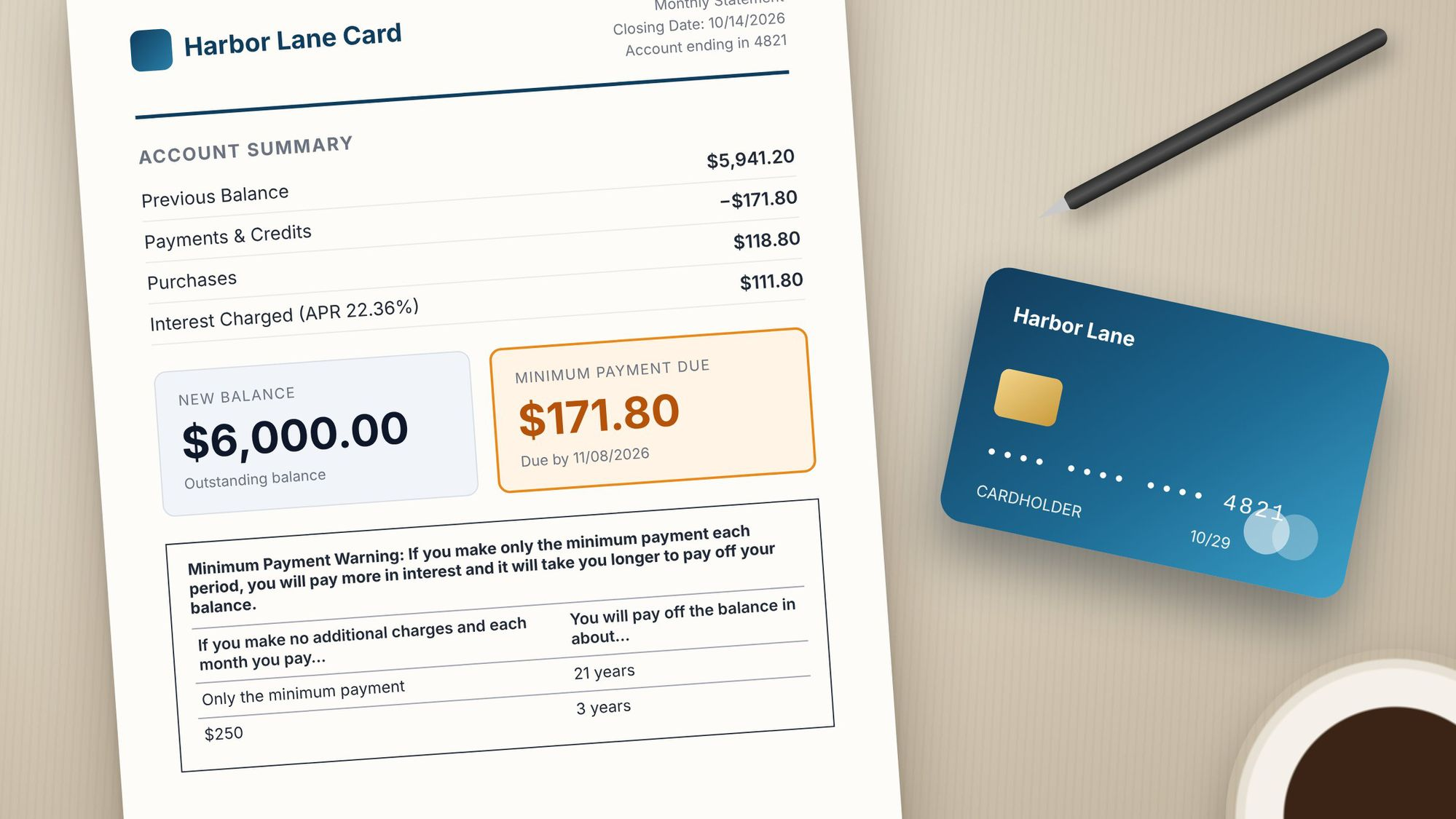
Why your minimum payment
Discover why your minimum payment reduces less credit card debt, how interest affects your balance, and what you can do to pay it off faster.
Continue Reading * You will remain on the current website