The True Expense of Using BNPL Compared to Credit Cards
Entenda os verdadeiros custos do BNPL em comparação com os cartões de crédito — taxas ocultas, riscos envolvidos e dicas inteligentes para pagar em 2026. Confira!
BNPL vs Credit Cards: Unseen Financial Pitfalls
For years, credit cards have represented easy access to funds — today, a simple tap is all it takes to complete a purchase.
Recently, however, another payment option has gained popularity: BNPL, or Buy Now, Pay Later.
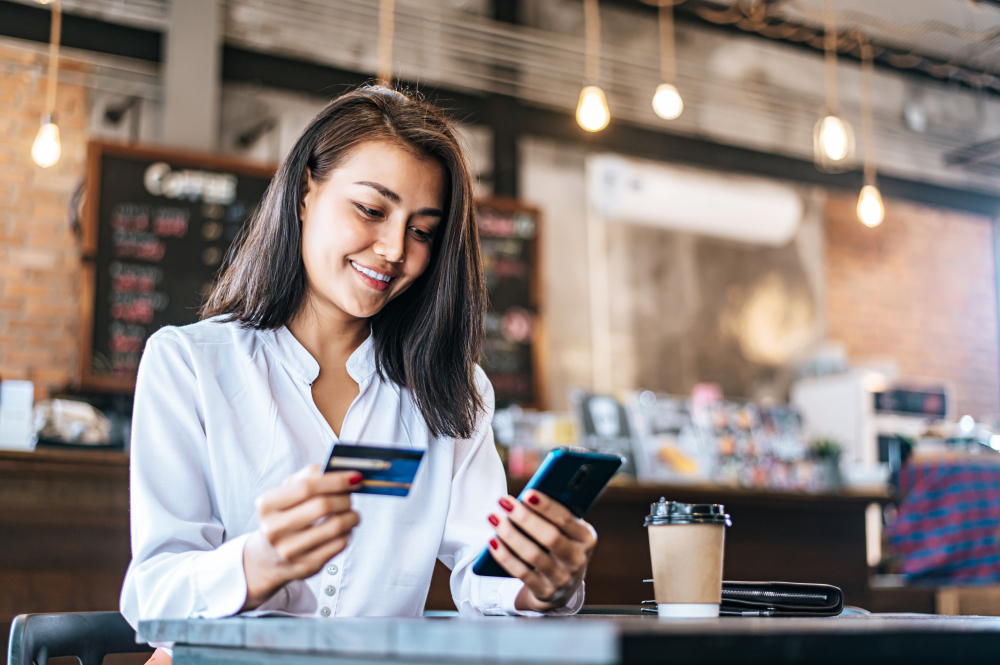
It seems like a fantastic offer—until you dig a bit deeper.
What BNPL Promises
BNPL’s main draw is its ease of use. With just a few clicks, buyers can divide a purchase into four or more payments.
Take someone organizing a vacation as an example — it seems ideal: book your hotel, rent a car, or pick up a new suitcase without having to pay the full amount right away.
BNPL providers promote ease of access and clarity, painting credit card fees and interest as the dreaded downsides of traditional consumer financing.
BNPL also creates a feeling of having better control over spending.
What Many Overlook: The True Costs Behind BNPL
BNPL is often advertised as “interest-free,” but that advantage really depends on how you manage your payments.
Paying every installment punctually can help you steer clear of extra fees. However, missing even one deadline—even by a day—can result in significant penalties.
While some services impose fixed late charges, others levy incremental interest rates that may climb above 25% annually.
Unlike credit cards, BNPL lacks the same level of consumer protections. If an item is faulty or a reservation is canceled, getting a refund can be slow and complicated.
The Strength of Credit Cards: When Paying Fees Brings Added Value
Typically, annual percentage rates surpass 20%, which makes carrying a balance month-to-month quite costly and risky.
However, many overlook the fact that credit cards come with built-in protections and valuable benefits.
Using a credit card gives consumers fraud protection, swift dispute resolutions, and rewards programs that offer points, miles, or cashback incentives.
For those who travel often, these benefits grow even more valuable: perks like travel insurance, lounge access, and coverage for lost luggage are not available with BNPL.
The Psychological Side of Installment Payments
BNPL promotes fragmented spending habits: while each small payment may seem manageable, they can quietly add up to significant debt over time.
In contrast, credit cards gather all your expenses in one place, giving you a clearer understanding of your total budget.
The main distinction isn’t just about interest rates — it’s about how each payment method influences your spending habits.
When Each Payment Method Fits Best
BNPL is ideal for clear, short-term purchases—like upgrading your closet before a trip or picking up new gadgets.
This method works best when you have a clear idea of your total spend and are certain you can meet all payments on schedule.
Credit cards are more appropriate for ongoing or high-value purchases—especially if you want to collect rewards, secure international transactions, and benefit from extended billing periods.
For travel, credit cards remain the preferred payment option. Many hotels and car rental agencies require a valid credit card for deposits—a step BNPL options can’t yet fulfill.
Looking Ahead
As fintech innovations grow and payment systems evolve, the boundaries between BNPL and traditional credit are increasingly merging.
Some financial institutions are piloting hybrid approaches that let customers divide credit card charges into installments similar to BNPL plans.
The aim is to merge the advantages of both: interest-free payment flexibility alongside the robust consumer safeguards credit cards provide.
Making the Right Choice
In the end, the discussion around BNPL versus credit cards isn’t about which is superior, but about which option aligns better with your spending patterns and lifestyle.
If you want quick convenience and short-term payment plans, BNPL can be a good fit—provided you keep up with the payment schedule responsibly.
Credit cards continue to be a valuable financial resource for those who prioritize security, rewards, and global usability—assuming they manage to steer clear of debt.
Ultimately, the true cost goes beyond fees or interest rates—it depends on how wisely you handle the credit you have. It’s not BNPL or credit cards that shape your finances, but the way you pay.

Related content
Wrap Up the Year with Smart Money Moves
End 2025 with smart money moves — plan, save, and take control of your financial future. Check out more now.nn
Keep reading * You will remain on the current website