Is It Time to Quit Using Your Credit Card? Key Factors to Think About
Credit cards can be a great tool, but what if they start holding you back financially? Maybe it’s time to take a step back and reconsider. Take a look!
Are Credit Cards a Valuable Tool or a Financial Trap? It Depends on How You Use Them.
How do you know when it’s the right moment to stop using your credit card?
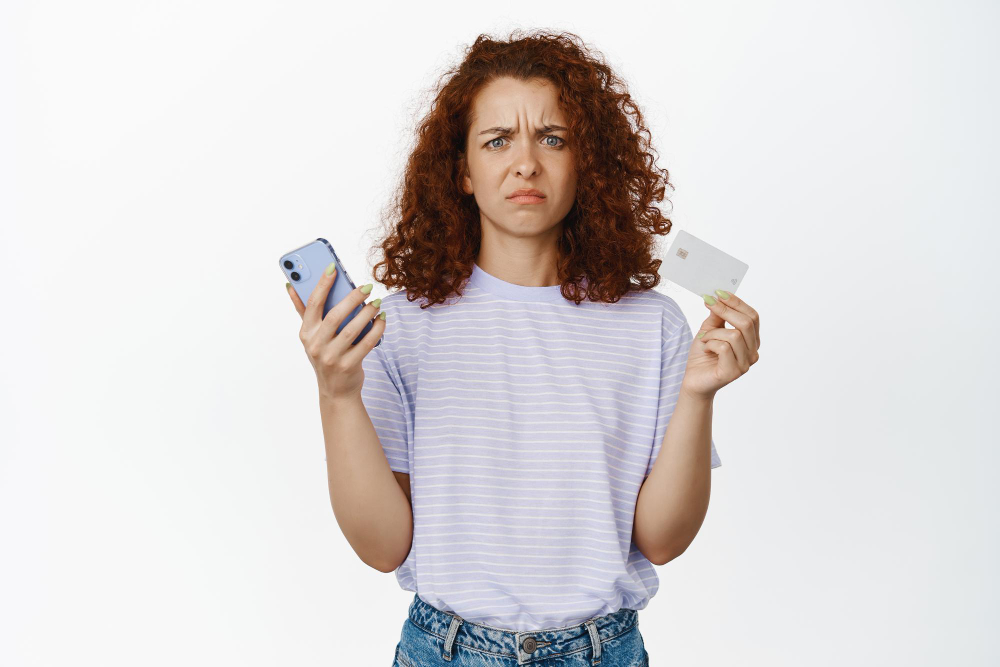
Let’s review some warning signs that you might be relying too much on your credit card—and when it could be wise to pause.
1. Your Balance Is Getting Out of Hand
If your balance keeps growing and you find yourself unable to pay off your card, it’s probably time to take a hard look at your spending habits.
Why this is important:
In the U.S., credit card interest rates are generally steep, often topping 20% annually.
What you should do:
Take a close look at your spending habits. Are you buying only what’s truly necessary?
2. You’re Not Paying Your Balance in Full Each Month
A key benefit of credit cards is the chance to clear your full balance monthly, which helps you avoid any interest fees.
But if you’re regularly paying only the minimum amount—or less—that’s a red flag. This habit not only leads to interest charges but can also hurt your credit rating.
Why this is crucial:
Credit cards often promote spending beyond your means. Carrying a balance month after month leads to accumulating interest, which can quickly spiral out of control.
What to consider:
Aim to pay off your full balance every month. If that’s not achievable right now, consider stopping your card use until your finances are back on track.
3. Your Debt Is Growing Faster Than You Can Handle
Debt can sneak up on you, especially if you use your credit card for everyday expenses.
If you keep increasing your debt each month without a solid repayment plan, that’s a clear red flag.
Why it matters:
Charging everyday expenses like groceries or fuel to your credit card might seem harmless, but it can quickly spiral into significant debt.
What to do:
Create a budget and cut back on non-essential spending—it’s challenging but necessary.
You may need to pause using your card for a while to prevent the problem from growing.
4. Using It for Non-Essentials
It’s easy to swipe your card for a night out or a new gadget, even if you don’t really need it.
If you’re often using your credit card for wants rather than essentials, it’s a sign you should reconsider your spending habits.
Why it matters:
Credit cards often tempt us to spend more, especially with rewards that feel like a win.
However, charging non-essential items can damage your financial health over time.
What to do:
Take a close look at your spending. List out what you truly need versus what you just want, and commit to using your card solely for necessities.
Think about temporarily freezing your card or setting it aside as you work on better spending habits.
5. Your Credit Score Is Falling
Your credit score matters a lot—missed payments or carrying high balances can seriously damage it.
If your credit score is dropping, it’s a clear signal to reconsider how you’re using your credit cards.
Why it matters:
Maintaining a strong credit score is key to qualifying for loans with better rates, securing rental agreements, and sometimes even getting hired.
If your spending is hurting your credit, it’s important to confront the situation head-on.
What to do:
Keep a regular check on your credit score. If it’s falling because of high credit card balances, focus on paying down debt, reducing your credit usage, or fixing any errors on your credit report.
Final Thoughts: Should You Stop Using Your Credit Card?
There’s no one-size-fits-all answer. What counts most is having a clear grasp of your own financial health.
The key to using credit cards wisely lies in self-control.
When you manage your credit card responsibly—paying off the entire balance each billing cycle and avoiding unnecessary debt—it can be a powerful tool for your finances.
If you’re caught in a debt loop or relying on your card for expenses beyond your means, it might be time to take a step back and reassess your spending habits.

Related content
Climate change and insurance
Ever wondered how climate change is affecting insurance? Dive into a detailed analysis now.nn
Keep reading * You will be directed to an external website