Mindless Spending? Exploring the Psychology Behind Tap-to-Pay
Contactless payments have seamlessly integrated into the nation’s financial habits, which is definitely a positive development. However, it’s important to gain insight into how your mind works in this context.
Exploring the Psychology Behind Tap-to-Pay Technology
Traveling today means stepping into a world that’s more digital and convenient than ever, with apps for rides, online bookings, and automated hotel check-ins becoming the norm.
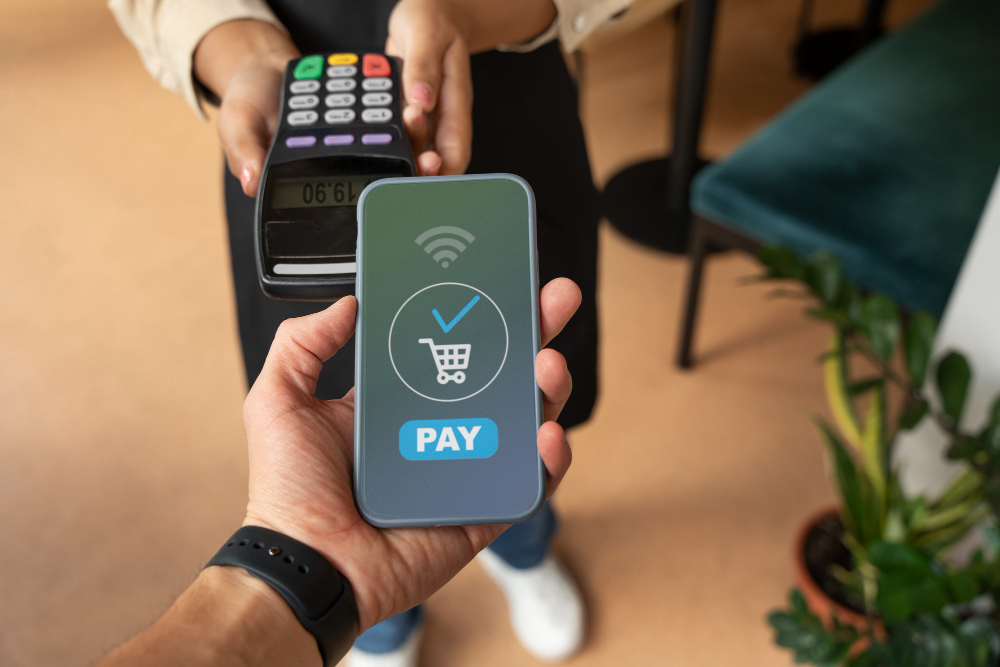
One feature that’s reshaping how travelers pay is tap-to-pay, or contactless payment methods.
How Tap-to-Pay Is Gaining Ground in the U.S.
The U.S. has rapidly embraced contactless payment options in recent years, with more than half of all face-to-face purchases in major urban areas now using this method.
For travelers, this is a major convenience. Instead of handling dollar coins, counting worn bills, or hunting for an ATM, you simply tap your card or smartphone.
It also enhances security by minimizing the need to carry large sums of cash, while also cutting down waiting times at checkout lines.
The psychology behind “invisible money”
Research in consumer behavior repeatedly shows that the less tangible money feels, the more readily we spend it.
When paying with cash, we see and feel the bills and coins leaving our hands. Using a card reduces that physical sensation, and with tap-to-pay, the awareness of spending nearly vanishes.
Psychologists refer to this as the “pain of paying.” It’s the natural unease we experience when handing over cash, serving as a mental check on our spending. With contactless payments, this feeling is greatly diminished.
Research from the University of Chicago found that diners using tap-to-pay spent up to 20% more than those paying with cash. This happens because the payment feels fast and almost invisible, reducing the emotional impact of parting with money.
Travelers and the “magic card” phenomenon
Imagine this: you’re strolling through a theme park in Orlando. It’s hot, so you grab a refreshing drink.
Then a souvenir, a quick snack, maybe another ticket for a special ride. All paid with just a tap of your card.
The “magic card” tricks our minds into feeling like we aren’t really spending money. This illusion becomes even more powerful when you’re traveling and in vacation mode.
How exchange rates and currency conversion influence spending
An often overlooked psychological element is the exchange rate. Many travelers don’t mentally convert their expenses—especially when dealing with currencies like pounds or euros, which have a higher value than the U.S. dollar.
Tap-to-pay hides this step: you simply tap and proceed. The catch is that when the statement comes, the effects of the exchange rate can hit hard.
This phenomenon is known as “monetary disconnection”: when we fail to link spending in foreign currency with its true cost on our finances.
The ease of technology adds to this disconnect, making it more challenging to keep track of expenses while abroad.
Advantages that are hard to overlook
While there are psychological concerns, tap-to-pay offers numerous advantages for travelers.
It’s convenient and enhances security against fraud. If a card is lost, it can be blocked quickly and efficiently—something not possible with cash.
Additionally, tap-to-pay integrates smoothly with travel apps like Google Wallet and Apple Pay, enabling users to consolidate their spending and track it in real time.
Several banks now send instant alerts for every transaction, helping users keep a close eye on their spending.
When traveling with family or friends, tap-to-pay offers a convenient way to share expenses. Everyone can have their own card linked to the same account and pay by tapping, eliminating the need to carry cash.
Tips to prevent unplanned spending
- Set a daily spending limit – decide your budget before you head out and stick to it throughout the day.
- Turn on bank notifications – getting alerts for each purchase keeps you aware of your expenses.
- Mental conversion of prices – try to estimate the cost in your home currency to avoid the “magic money” effect.
- Use separate cards – assign different cards for meals, shopping, and transport to better track spending.
- Check your expenses nightly – spend a few minutes each evening reviewing your transactions to avoid surprises.

Related content
Best Places for Educational Getaways
Combining learning with relaxation can transform the way you view your next trips—see how to plan! Check out more!nn
Keep reading * You will remain on the current website