From Nothing to Power: Upgrading Your Credit Score 2.0
Technology is playing a bigger role than ever in shaping credit scores, and you can get up to speed with these new systems today.
What are the key shifts with Credit Score 2.0?
The credit score remains one of the most crucial financial concepts in the U.S., serving as your gateway to unlocking and growing new financial opportunities.
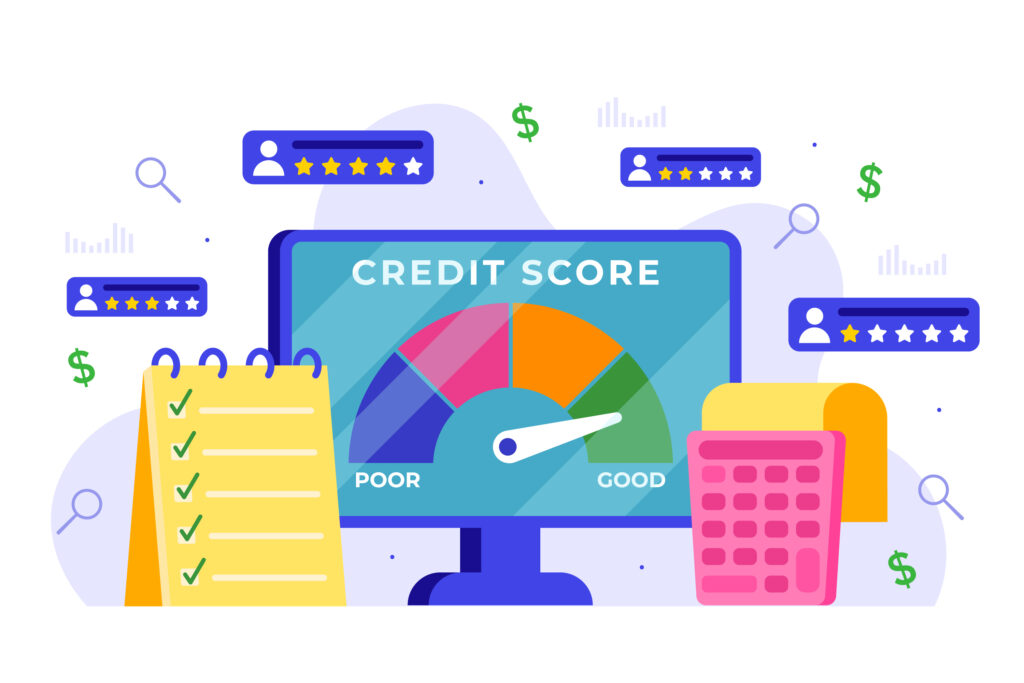
The idea behind Credit Score 2.0 introduces a fresh perspective: it’s not merely about having credit, but mastering how to use it wisely and strategically, tailored to today’s challenges like rising interest rates, inflation, and evolving financial tech.
Why is Credit So Important in the United States?
In the U.S., unlike many other countries, credit goes beyond a spending tool; it acts as a measure of your financial trustworthiness.
Your credit score is determined by several key elements: your payment record, how much credit you use, the length of your credit history, the mix of credit types, and recent credit inquiries.
A low credit score can lead to higher interest rates, more loan rejections, and even challenges in everyday transactions that require credit checks.
Conversely, having a strong credit score grants access to better rates, increased credit limits, and exclusive perks that aren’t available to everyone.
For beginners with no credit history, building a score can seem daunting. However, with consistent effort and a clear plan, you can fast-track your way to achieving Credit Score 2.0.
Step 1: Start with the Right Tools
For those starting without any credit history, the toughest hurdle is often simply getting credit accounts approved.
Secured credit cards ask for a deposit upfront that acts as collateral, setting your credit limit and showing lenders your reliability.
Credit-builder loans are another effective option — these are small loans offered by some lenders specifically to help you establish a credit record.
The concept is straightforward: you make monthly payments that are held in a secured account, and once the loan term ends, you receive your funds back plus an improved credit score.
Step 2: Mastering the Impact of Credit Utilization
A key factor influencing your credit score is how your credit limit compares to the amount you actually borrow — commonly known as the credit utilization ratio.
Financial experts advise keeping this ratio below 30%, but aiming for a tighter range of 10% to 20% can yield even stronger results.
Step 3: The Importance of Payment History
Timely payments are crucial, since even one late payment can stay on your credit report for years and negatively affect your score.
Setting up automatic payments is a smart move. Autopay minimizes the chance of missing due dates and keeps your record clean.
Step 4: Expand and diversify your credit types
Another important aspect of improving your score is demonstrating you can manage various kinds of credit. Relying solely on credit cards might not be sufficient.
Examples like student loans, personal loans, and car leases all help create a stronger, more diverse credit history.
That said, this doesn’t mean accumulating unnecessary debt. The key is to maintain balance and variety in credit types, always considering your financial situation and ability to repay.
Step 5: Handle Credit Inquiries and New Accounts with Caution
Whenever you request credit, the lender runs a hard inquiry, which can cause a short-term dip in your credit score.
For this reason, it’s wise to avoid opening multiple accounts quickly, even if tempting bonuses or travel rewards are on the table.
Credit Score 2.0 highlights the importance of strategic planning. Rather than piling up numerous cards, it’s better to choose one or two that genuinely offer value and support your credit-building goals.
The Future of Credit: Technology and AI
The U.S. financial scene is evolving quickly. Today’s apps offer tailored insights, risk notifications, and forecasts showing how your actions might affect your credit score in the near future.
These tools are essential partners for anyone working to establish a strong credit history.
Avoid These Common Pitfalls
- Paying just the minimum without a plan to clear the debt.
- Shutting old accounts, which lowers your average credit age.
- Neglecting your credit report and missing mistakes or identity theft.
- Using credit like extra income instead of managing it strategically.
Journey Toward Financial Resilience
Establishing a robust credit score in the U.S. isn’t something that happens overnight or in just a couple of months. It’s a continual effort demanding patience, steady commitment, and most importantly, self-discipline.
Credit Score 2.0 isn’t just about having credit—it’s about smartly managing and utilizing it to your benefit. It involves strategic planning, embracing new technology, and consistently staying ahead of the curve.

Related content
The Truth About Balance Transfers
Balance transfers are very popular in America. But are they a financial solution or a path to mistakes? Check it out.nn
Keep reading * You will remain on the current website