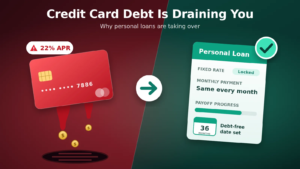
Effective Strategies for Getting Rid of Credit Card Debt
Clearing your credit card debts plays a vital role in organizing your finances and enhancing your overall financial health.
Credit card debt affects countless people worldwide, making it a common financial challenge far beyond the U.S. alone.
High interest rates can quickly turn what seems like a small debt into a significant financial burden if left unchecked.
Applying effective techniques to clear your debts promptly is essential to prevent your balances from escalating beyond control.

In this post, we’ll explore some of the best strategies to reduce credit card debt and enhance your overall financial health.
Assess Your Financial Landscape
Before you begin addressing your debts, it’s important to fully understand your current financial situation. Consider these key points as you evaluate your finances:
Implement the Snowball Strategy
The snowball method is a popular and proven approach for paying down debt efficiently.
This technique focuses on paying off the card with the lowest balance first, while continuing to make minimum payments on your other debts.
After paying off the smallest card, you apply that payment amount to the next smallest debt on your list.
This strategy aims to keep you motivated by seeing your debts disappear one by one.
Use the Avalanche Method
If your goal is to reduce costs while paying off debt, the avalanche technique might be the better choice.
This method focuses on paying off the card with the highest interest rate first, regardless of the outstanding balance.
After clearing the card with the highest interest rate, you can then redirect the money you were using there to the next card with the highest interest, repeating this cycle.
This strategy is ideal for reducing the total interest you pay over time by focusing on debts with the steepest interest rates first.
Balance Transfer
A practical method is to move your balance from a card with a high interest rate to one offering a lower introductory rate, or sometimes even zero interest for a limited period.
This tactic can greatly reduce the interest you owe, enabling you to clear your debt more rapidly.
Many lenders offer balance transfer promotions, but it’s important to watch for expiration dates and any fees that may apply once the introductory period ends.
If you choose this option, make sure you avoid accumulating additional debt on either your original card or the new one after the transfer.
Failing to do so could leave you with a larger balance and steep interest charges once the promotional rate expires.
Negotiate with Your Creditor
If your credit card debt is large and you’re struggling to keep up with minimum payments, try reaching out to your card issuer to negotiate better terms.
Many credit card companies are willing to renegotiate your debt, often providing lower interest rates or even cutting down the overall balance, especially if you’ve maintained a good relationship with them.
It’s important to be honest about your financial situation and collaborate on a realistic plan that makes managing your debt more achievable.
Reduce Spending and Boost Your Earnings
As you work toward paying off your debts, it’s essential to cut down on expenses and find ways to increase your income. This could mean adjusting your budget by limiting costs on entertainment, dining out, or services that aren’t necessary.
Additionally, if possible, consider boosting your income through options like part-time work, freelance projects, or selling items you no longer use.
Focus on directing extra money toward paying off your credit card balances to accelerate your path to financial independence.
The faster you commit more funds to debt repayment, the sooner you’ll be debt-free.
Avoid Accumulating Additional Credit Card Debt
A key tactic for managing credit card debt is to avoid adding new charges. Stick to using one card if possible, and always aim to pay off the full balance each month.
This strategy prevents new debt from building up and allows you to focus entirely on paying off what you owe.

Related content
A Guide to Secured vs. Unsecured Cards
Discover the main similarities and differences between the two leading types of credit cards in the U.S. market to clear up your questions.nn
Keep reading * You will be directed to an external website