
Effective Strategies to Improve Your Credit Score Before Year-End Spending
Boost Your Credit Score Before the New Year Arrives
The holiday season in the U.S. is famous for a notable surge in consumer purchases.
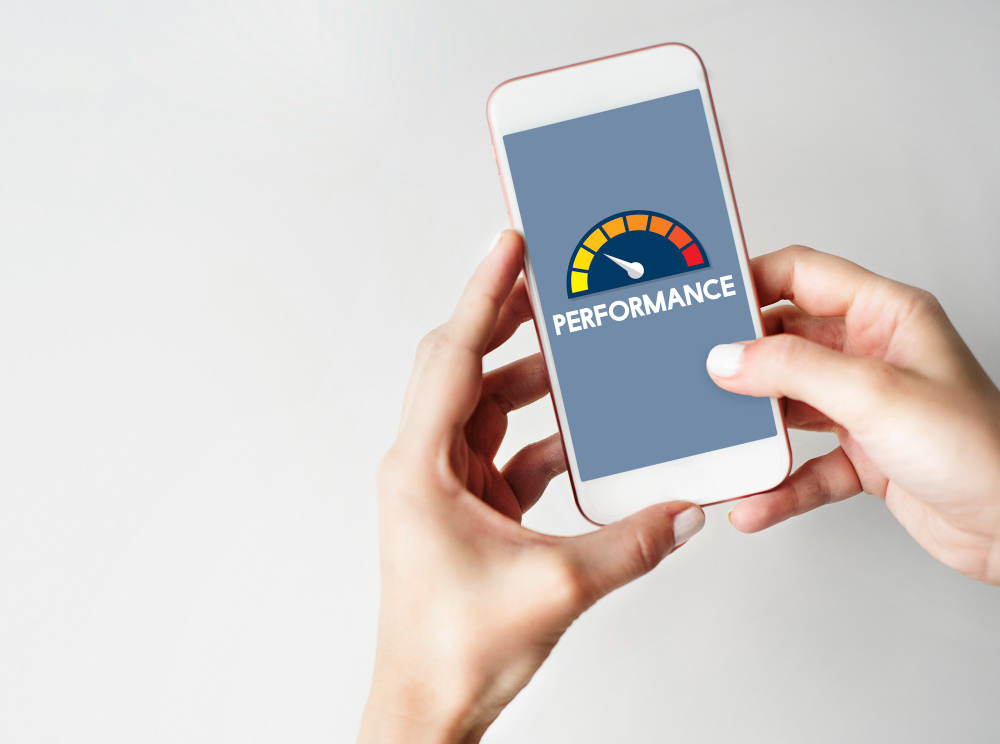
Still, with smart tactics and careful preparation, year-end spending can be transformed into a chance to improve your credit profile.
How the FICO Score Actually Works
In the United States, your credit score, commonly calculated using the FICO model, plays a vital role in loan approvals, financing, and even insurance rates.
The score is determined by five key components: payment history (35%), credit utilization (30%), length of credit history (15%), credit mix (10%), and recent credit inquiries (10%).
The essential first step in any year-end approach is to grasp how each spending decision impacts these factors.
Charging large amounts on cards close to their credit limits raises your utilization ratio, which can lower your score. Conversely, making prompt and well-planned payments can boost your credit quickly.
Plan Your Payments in Advance
Holiday shoppers who plan their payments ahead of time can gain significant advantages.
Making a partial payment before the statement closing date lowers the credit utilization reported, preventing sudden increases that might hurt your score.
Financial management apps are useful tools for tracking card closing dates and monitoring available credit limits.
This strategy is particularly beneficial for those making travel or international purchases over the holidays, as currency fluctuations and fees can unexpectedly raise your balances.
Planning payments ahead and assessing the effect of dollar spending helps keep your credit score stable.
Lowering Balances on Cards with High Interest Rates
Although it’s tempting to focus spending on cards that offer rewards, prioritizing early payments on those with the highest interest rates is more beneficial.
This strategy lowers your financial charges and demonstrates responsible credit behavior to credit bureaus.
Those who manage to reduce balances on these cards during the holidays show better financial control, which can improve how lenders view their risk.
Moreover, distributing payments across several cards and maintaining each below 30% utilization helps maintain a healthy credit profile and prevents appearing overextended.
Take Advantage of Temporary Consolidation Offers
Several banks provide balance transfer deals offering 0% interest for a limited time.
With proper planning, this can enable you to temporarily shift holiday debt without fees and at very low cost, helping to safeguard your credit score.
Still, it’s crucial to stay disciplined and fully repay the transferred amount before the offer expires to prevent interest charges.
Avoid Applying for New Credit Close to Year-End
Applying for credit triggers hard inquiries on your credit report, which can temporarily reduce your score.
Since holiday spending is already elevated, opening new credit accounts at this time may negatively impact your credit health.
If you’re planning trips or major purchases in December, it’s best to avoid applying for new credit cards or loans during this time.
When extra credit is needed, try to apply well ahead of time and consider how it might affect your credit score.
Automatically Track Your Payment History
Even brief payment delays are a leading cause of credit score drops.
Enabling automatic payments on your main credit card or regular bills helps prevent missed payments during busy holiday periods.
This tip is particularly useful for those making purchases abroad or subscribing to various services.
Leverage Planning Tools and Alerts
Popular U.S. finance apps like Mint, YNAB, and Copilot let you set up custom alerts to help manage your spending effectively.
You can arrange reminders for payment deadlines, credit limits, and warnings for overspending.
Strategically Spread Out Your Purchases
Rather than putting all your purchases on a single card or within a short timeframe, it’s better to distribute them over the month or among several credit accounts.
This approach helps avoid hitting credit limits and keeps your utilization rate under 30%, which is considered optimal for improving your credit score.
Consider Small Temporary Credit Limit Increases
Asking for a credit limit boost on your current cards can lower your utilization ratio without needing to pay down your balances drastically.
When strategically planned, this adjustment expands your spending capacity for year-end purchases while helping maintain a healthy credit score.
Maximize Rewards While Keeping Your Credit Score Intact
Credit cards that offer cashback, travel miles, or loyalty points can be used effectively without damaging your credit score, provided you manage your credit utilization wisely.
Aligning your spending with reward strategies helps you maximize perks while also supporting a strong payment record.
For those planning vacations or holiday travels, this approach can transform your expenses into meaningful financial gains.

Related content
Insurance Yield Forecast: Stability or Volatility?
A clear look at how U.S. insurers balance rising yields, market volatility, and shifting monetary policy to protect long-term returns.nn
Keep reading * You will remain on the current website Insurance Yield Forecast: Stability or Volatility?
Keep reading You will remain on the current website