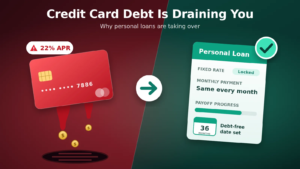
How to Erase Credit Card Debt: Proven Strategies to Take Control of Your Finances Again
Discover powerful ways to tackle credit card debt quickly and effectively. Dive into approaches like the snowball and avalanche methods, plus handy budgeting advice, to help you regain control over your finances.
Understanding Credit Card Debt

Credit cards offer great convenience and boost our financial options nowadays. Yet, if not handled carefully, they can quickly become a source of serious problems.
Credit cards often foster a false sense of financial security. Since no physical money exchanges hands, it can feel like you’re not actually spending. This illusion can lead to unexpectedly large bills when statements arrive.
This is why many Americans get caught in credit card debt, sometimes to overwhelming amounts. But don’t panic or lose faith. If you’re facing this challenge, there are practical tactics to help you regain control.
Why It’s Vital to Address Credit Card Debt
Carrying credit card debt can take a heavy toll on both your finances and emotional well-being. It impacts your credit score, making it harder to obtain loans in the future, while the ongoing payments can create relentless stress that feels never-ending.
High-interest charges on credit cards pose another major problem. If balances are left unpaid, the amount owed can grow rapidly, sometimes doubling or even tripling before you realize it.
Addressing this debt promptly is essential for restoring your financial health and preventing further pressure on your budget.
Effective Approaches to Paying Off Credit Card Debt
Snowball Method
The Snowball Strategy focuses on paying off your smallest debts first, while maintaining minimum payments on larger balances. Once a small debt is fully paid, you shift your attention to the next smallest, continuing this pattern until all are cleared.
This technique works well because it provides emotional encouragement. Each debt you eliminate feels like a victory, which fuels your motivation to keep going. It’s similar to climbing stairs, progressing step by step until you reach the top.
Avalanche Strategy
The Avalanche Strategy targets debts with the highest interest rates first. By focusing on these costly balances, you reduce the overall interest paid, ultimately saving money as you eliminate your debts starting with the most expensive ones.
This method demands greater self-control, since the initial debts may take longer to pay off. Yet, it offers better financial returns by lowering your total interest expenses throughout the repayment process.
Combining Your Debts for Easier Management
When managing multiple debts becomes stressful, consolidating them into a single payment can help. This strategy typically lowers your interest rate while simplifying your monthly bills.
Consolidation options might involve taking out a personal loan with a reduced interest rate or transferring balances to a credit card offering 0% APR for an introductory period. These methods can simplify your finances and reduce overall interest expenses.
Communicating with Your Creditors
Many people don’t realize they can negotiate directly with their creditors. Contact your credit card issuer to ask for reduced interest rates or customized repayment options that better fit your situation.
Be open about your financial circumstances during negotiations and clearly show your intent to repay the debt. Creditors usually prefer cooperating with you instead of risking a total loss.
Using Extra Income to Boost Your Payments
Look around for unused items you can sell to generate quick funds. Additionally, consider freelancing, offering services, or working extra hours to increase your income.
Make sure all additional earnings go directly toward your debt repayments, without exception. This approach accelerates your payoff timeline and reduces the amount lost to credit card interest.
Preventing Debt: Strategies for the Future
Whether you’ve already tackled your debt or are still in the process, these tips can help you steer clear of slipping back into debt again.
Begin by setting up a monthly budget to better manage and track your spending. Building an emergency fund is essential to cover unforeseen expenses. Also, choose credit cards that offer the lowest interest rates you can find.
If you notice signs of losing control over your finances, seeking professional support through financial counseling or credit management services can greatly improve your ability to manage debt effectively.
Wrapping Up
Armed with these strategies and insights, you can build a solid plan to restore your financial health. Choose the method that fits you best and begin taking back control of your finances today.