
Inflation Strikes Tough: Turn Your Card into an Advantage
Inflation is expected to climb in 2025 — discover how to leverage credit card rewards, cashback offers, and built-in protections to safeguard your spending power.
Prices Climbing? Make the Most of Your Credit Card Rewards
In the U.S., 2025 has been defined by inflationary challenges impacting everything from food shopping to travel and entertainment costs.
While some sectors are seeing slower growth, inflation continues to erode the buying power of typical American households.
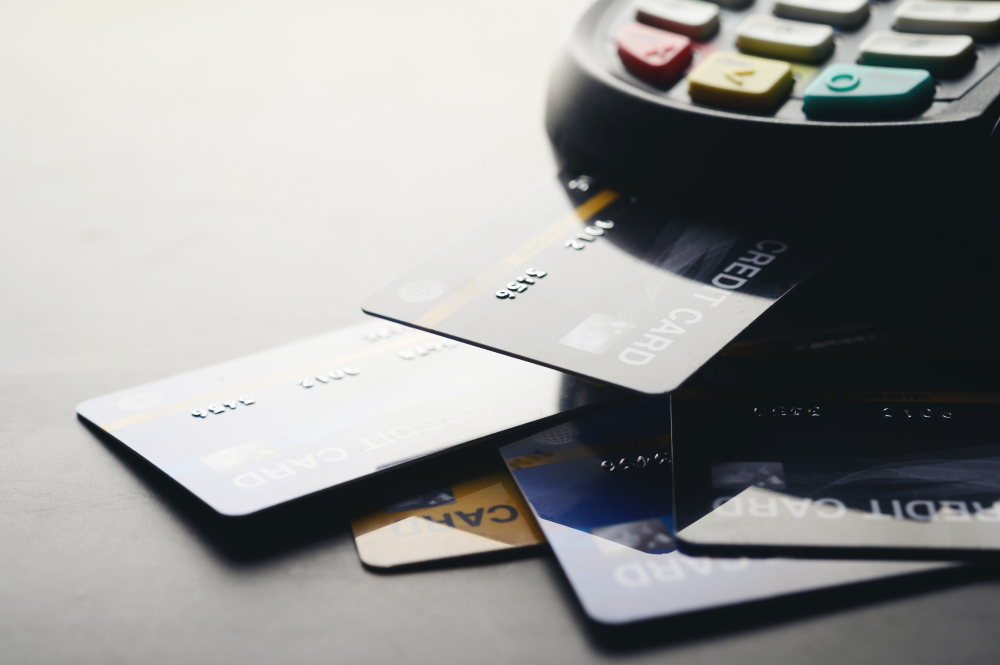
Within this environment, credit cards can be valuable tools if managed carefully. So, how do you leverage their perks without getting caught in costly debt and interest charges?
1. Grasp how inflation affects your personal finances
Inflation refers to the ongoing increase in prices, meaning your money doesn’t stretch as far as it used to.
In 2025, costs for essentials like fuel, groceries, and housing have risen faster than usual, making careful budgeting more important than ever.
This is where credit cards can help. Although they don’t reduce prices directly, they provide rewards, purchase protections, and special offers that add value.
By using these features wisely, you can lessen some of the financial pressure caused by inflation.
2. Cashback: turn spending into returns
A major benefit of credit cards in the U.S. is cashback, with many issuers offering returns between 1% and 5% in categories such as groceries, fuel, pharmacies, and dining out.
For those who frequently spend in these categories, choosing the best card for each purchase can lead to meaningful savings.
The important thing is to organize and prioritize your spending, steering clear of impulsive card use.
It’s crucial to know which card offers cashback in which category. Some cards feature rotating cashback rates that change every quarter, so staying updated is key to maximizing rewards.
3. Miles and points: save on travel
Besides cashback, many U.S. credit cards also feature points or miles programs that you can redeem for flights, hotel stays, and car rentals.
As inflation pushes up travel and accommodation prices, redeeming these points can lead to meaningful savings.
For those who travel often—whether for business or pleasure—reward cards offer a way to protect your purchasing power and help you uphold your lifestyle despite rising expenses.
These options can speed up earning miles and deliver genuine savings with very little effort.
4. Take advantage of discounts and protections
Important perks offered by credit cards include:
- Extended warranty: lengthens the protection period on your purchases, helping avoid surprise repair expenses.
- Price protection: some cards refund the difference if a bought item’s price drops shortly after purchase.
- Travel and rental car insurance: helps lower extra expenses when traveling or renting vehicles, where inflation hits hard.
5. Steer clear of needless interest charges and fees
To get the most from your credit card, it’s essential to prevent interest from accumulating.
Since inflation pushes living costs higher, carrying 20% or more interest on your card balance can quickly create serious financial strain.
Here are some tips to help you stay in control:
- Always pay your full balance each month.
- Use payment reminders to avoid late fees.
- Skip high-interest installment plans on small expenses.
- Focus spending on low-interest cards or 0% APR deals when possible.
The aim is to get the most rewards without falling into debt. Credit cards benefit only those who practice sound financial habits.
6. Strategically plan your spending
To combat inflation, it’s important to plan your purchases carefully. Before buying, consider:
- Is this purchase necessary or optional?
- Does any card category provide cashback or discounts here?
- Is earning points or miles on this expense worthwhile?
By coordinating your spending strategy with card rewards, you can turn each purchase into a tool to shield your buying power, lessening inflation’s everyday impact.
7. Review Your Credit Cards and Compare Cash Back Offers
The U.S. credit card market offers many options. If you don’t assess your cards regularly, you might be overlooking valuable perks.
Look into annual fees and reward structures, and consider rotating cashback cards that target categories impacted by inflation.
Also explore travel cards and stay alert for new offers that can benefit your everyday purchases.
8. Practice mindful spending habits.
- Create shopping lists and stick to budgets.
- Schedule payments instead of impulsive buying.
- Monitor your spending and rewards earned.
- Use cashback thoughtfully on important purchases.
With careful planning and discipline, credit cards can be valuable tools that help Americans preserve their purchasing power despite rising prices.

Related content
Best Places in Europe to Travel This October
Discover Europe in October: ideal weather, fewer crowds, vibrant autumn colors, and authentic cultural experiences for American travelers.nn
Keep reading * You will remain on the current website